You can spot a stock photo a mile off.
Perfectly lit office. Everyone gathered around a laptop looking far too excited about whatever’s on the screen. Someone pointing at a graph for no obvious reason.
We’ve all seen them.
And while stock photography has its place, there comes a point where a business needs to actually look like itself.
That’s where professional business photography comes in.
Good photography isn’t just about making your website look nicer. It helps people understand who you are, builds trust before they’ve ever spoken to you and gives you useful content you can keep using across your marketing.
Here’s why it matters.
People want to see who they’re dealing with
Before somebody gets in touch, there’s a good chance they’ll have a look around your website first.
They want to know what you do, obviously. But they’re also trying to get a feel for the business.
Who are the people behind it? What does the place actually look like? Does this feel like a company I’d want to work with?
Real photography answers those questions quickly.
Compare a page full of generic stock images with one showing the actual team, workplace, products and customers.
Which one tells you more about the business?
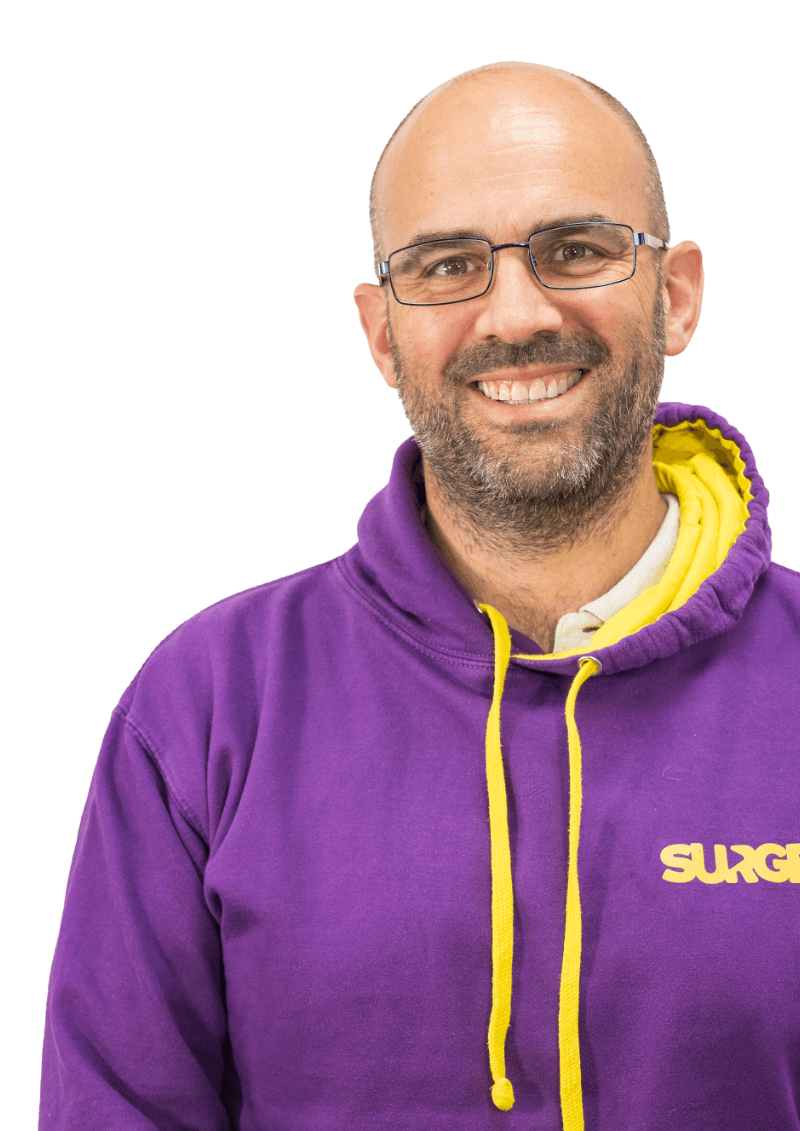
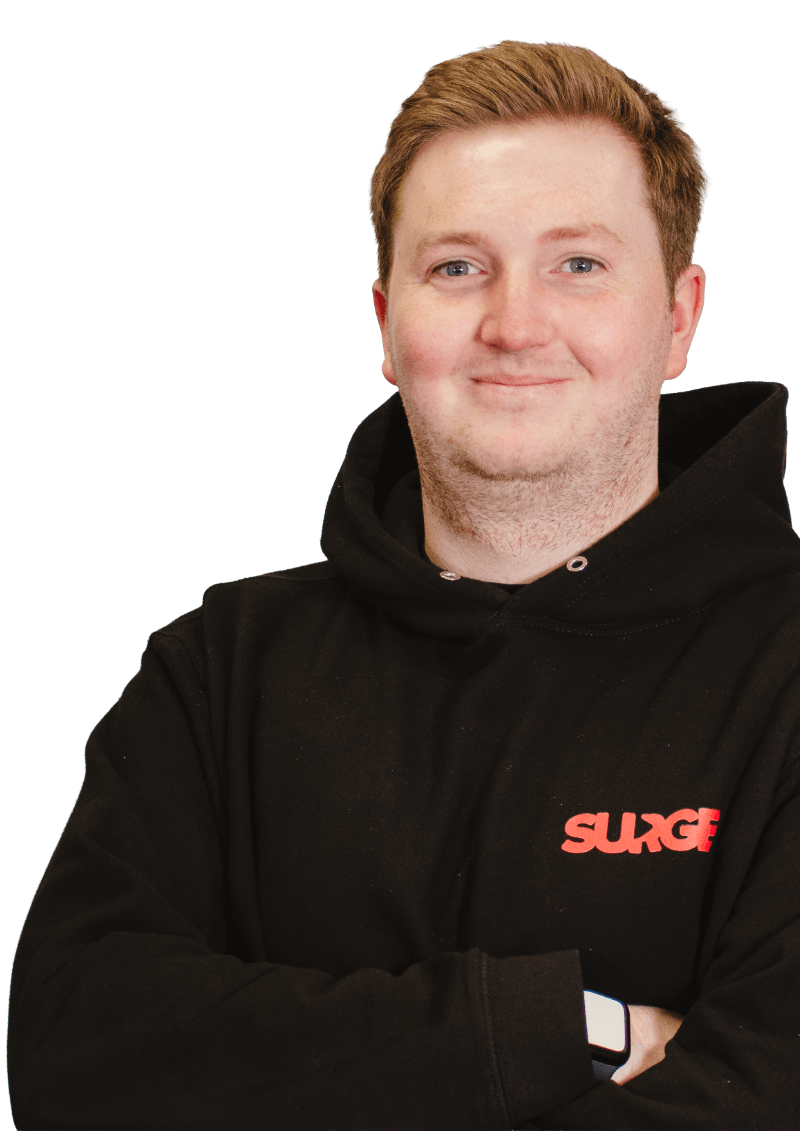
You don’t need everybody standing in a line against a white wall either. Some of the best business photography comes from simply showing people doing what they normally do.
That tends to feel much more like you.
It changes how the business feels
This is where photography can have a bigger effect than people realise.
You can have a brilliant brand, a well-designed website and great copy, but poor photography can still drag the whole thing down.
Blurry phone photos, badly lit team pictures or a mixture of images pulled from different places can make everything feel less considered.
Professional photography gives you consistency.
The lighting, composition and editing all feel like they belong together, which makes the wider brand feel more polished too.
That’s particularly important when someone is seeing your business for the first time.
They don’t know how good your service is yet. They’re judging what’s in front of them.
Photography is part of that first impression.
Good photography helps build trust
There’s something reassuring about being able to see the real people behind a business.
If you’re asking someone to spend thousands of pounds with you, book an appointment, visit your premises or trust you with an important project, familiarity helps.
Professional business photography gives people a chance to see who they might be speaking to before they make contact.
The same applies to your work.
If you manufacture something, show it.
If you run a venue, let people see the space.
If you’ve completed a brilliant project, photograph it properly.
If your team and culture are genuinely part of what makes the business good, put them in front of the camera.
You can say all of those things in copy, but sometimes seeing them does the job faster.
Your website is only as good as the content you put into it
We see this a lot during website projects.
The design looks great. The branding works. Everything’s coming together nicely.
Then we get to the images.
And suddenly we’re trying to build a website around six photos from 2019, three screenshots from Facebook and a team photo where two of the people left the business years ago.
There’s only so much good website design can do with poor content.
Photography should be thought about as part of the website project, not something you scramble around for the week before launch.
If we know what pages are being built and what each section needs to communicate, we can plan the photography around it.
That might mean wide images for website banners, team photography, close-up details, shots of your process or images created specifically to sit alongside certain services.
Everything has a job.
Product photography can make buying easier
If you sell physical products, photography becomes even more important.
The customer can’t pick the product up. They can’t turn it around, look closely at the finish or compare the details in person.
Your images have to do that job for them.
Good product photography helps people understand exactly what they’re buying.
That could mean clean product shots for an ecommerce store, detailed close-ups, lifestyle imagery showing the product in use or a combination of all three.
It’s not just about making the product look attractive.
It’s about giving somebody enough information and confidence to make a decision.
If the pictures are dark, inconsistent or don’t show the product properly, you’re asking the customer to fill in the gaps themselves.
One photoshoot can give you months of content
This is one of the biggest benefits of professional photography, and probably one of the most overlooked.
You’re not necessarily paying for ten photos to put on a website.
A properly planned shoot can create a bank of content you use everywhere.
Think about:
Website pages.
Social media posts.
LinkedIn.
Google Business Profile.
Email marketing.
Case studies.
Recruitment campaigns.
Brochures.
Paid advertising.
PR and press coverage.
Sales presentations.
Suddenly, that half-day or full-day shoot is doing quite a lot.
That’s why we’d always work out what you need the images for before the shoot takes place.
If we know you’ve got a website launch coming up, three months of social content to plan and a recruitment campaign around the corner, we can capture with all of those things in mind.
Much better than realising afterwards that you needed a particular shot nobody took.
Does everything need to be professionally photographed?
No.
Your photographer can put the camera away occasionally.
There’s plenty of room for phone photography in your marketing, particularly on social media.
A quick behind-the-scenes picture, something happening in the office or a photo from an event can sometimes work better because it feels immediate and natural.
The two can sit alongside each other.
We’d use professional photography for the things that need a bit more staying power. Your website, key campaigns, products, team photography and the images that are going to represent your business for months or years.
Then use more spontaneous content when that makes sense too.
It doesn’t have to be one or the other.
What should you photograph?
This is probably a better question than simply asking how many photos you need.
Start with where the gaps are.
Do customers need to see the team?
Would showing your process make your service easier to understand?
Do you have impressive premises that nobody sees online?
Are your products currently being represented by photos that don’t do them justice?
Could customer stories or completed projects be shown better?
Once you know what you want the photography to achieve, planning the shoot becomes much easier.
You can build a shot list around actual marketing needs rather than spending two hours taking pictures and hoping something useful comes out of it.
Is professional business photography worth it?
If the images are going to sit on a hard drive and never be used, probably not.
But if you plan the shoot properly, good photography can work across your website, social channels, advertising, recruitment, sales material and plenty more.
And more importantly, it helps your business look like your business.
Not a stock-photo version of it.
People can see your team. Your products. Your work. Your environment. The things that make you different.
That’s the real benefit of professional photography.
It gives people a better feel for who they might be buying from before you’ve even had the chance to speak to them.
If the photos currently representing your business don’t really feel like you anymore, take a look at our Photography, Product Photography and Website Design services to see how we approach creating the content around the wider brand.